
Your AI playbook: how to run AI as an ongoing capability, not a one-off project
Even as AI consultants, we can’t tell you exactly what AI will look like next year. The tools move too fast. So how do you build an AI strategy when you don’t know what’s coming?
You stop treating AI as a project with an end date, and start running it as an ongoing capability. A project gets delivered and signed off. A capability keeps working because someone keeps it working. That’s the shift, and it’s what separates the businesses getting real value from AI from the ones sitting on a few abandoned pilots.
Here’s what running AI as an ongoing capability actually looks like.
Why AI is a capability, not a project
AI delivers lasting value when it’s managed continuously. The reason is simple: the tools, your teams and the opportunities all keep changing. Something that wasn’t possible last quarter is standard this one. A new starter needs onboarding. A useful idea surfaces from a team you’d never have thought to ask.
Deliver AI once and walk away: it dates almost immediately. Operationalise it and it keeps paying off. The rest of this is how you operationalise it.
The four ongoing workstreams
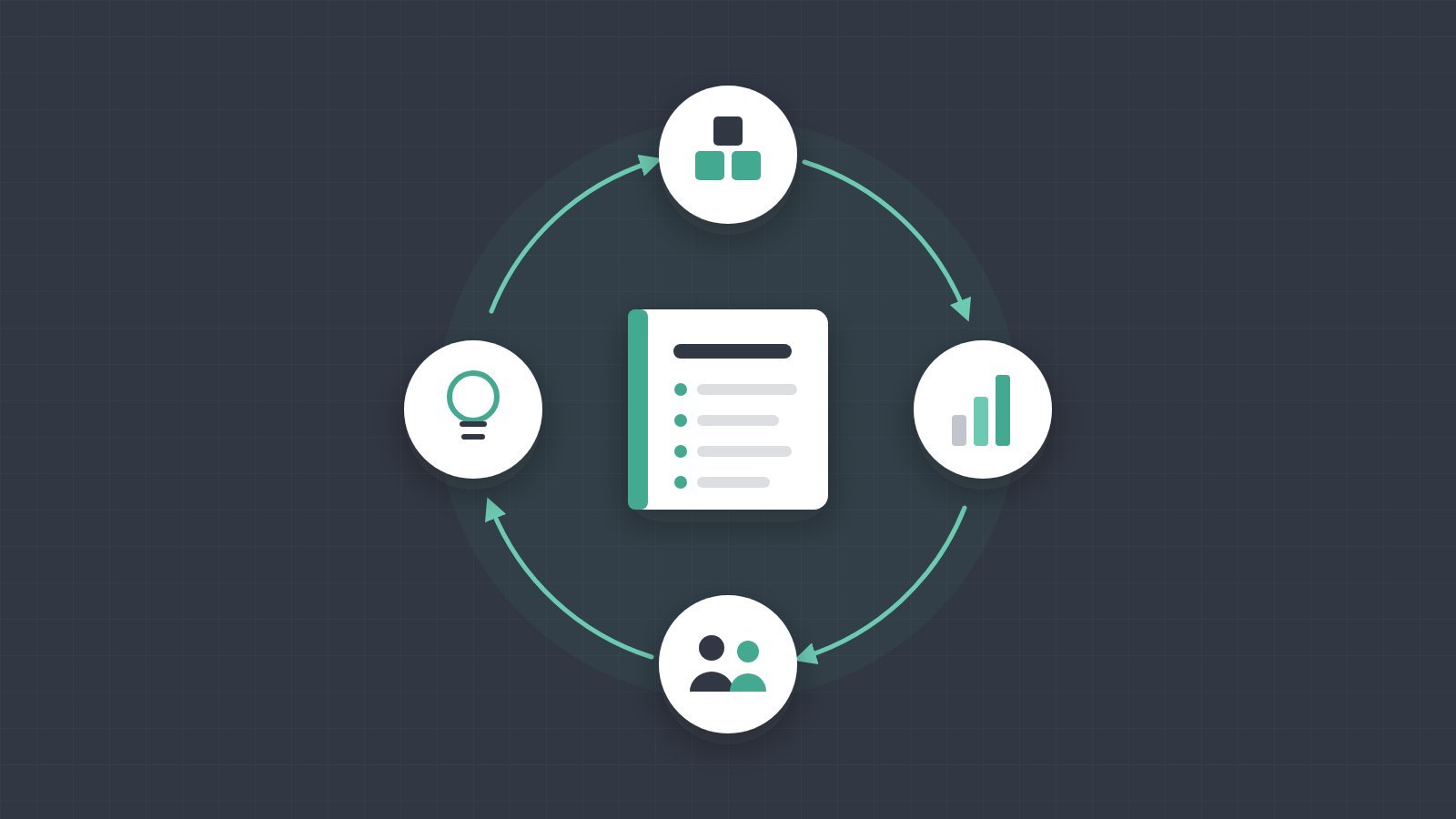
These are the jobs that never really stop. Keep all four moving and AI stays useful.
- Build – create agents, automations and integrations from a prioritised backlog, each one tested against agreed criteria before it goes live.
- Train and adopt – role-specific onboarding, an AI Champions network, and regular hands-on coaching so people actually use what you build.
- Measure and report – take a baseline before launch, keep a live dashboard, and report quarterly in a way that’s tied to real decisions.
- Find new opportunities – one route for ideas to come in, a monthly triage, and a ranked roadmap of what’s worth doing next.
Set an operating rhythm
A capability needs a heartbeat. Put a few standing sessions in the diary and momentum stops depending on anyone remembering to chase it.
| Cadence | Forum | Who | Purpose |
|---|---|---|---|
| Weekly | Metrics dashboard | AI lead | Adoption, performance, savings |
| Fortnightly | Drop-in (2 hrs) | Users and Champions | Support and new builds |
| Monthly | Champions session (2 hrs) | Champions and AI lead | Triage and prioritise |
| Quarterly | Leadership review (2 hrs) | Sponsor and leadership | ROI and investment |
None of these need to be long. They just need to happen on a schedule rather than only once something’s already gone wrong.
Decide who owns what
AI isn’t one person’s job, but every part of it needs a name against it. Four roles cover it:
- Executive sponsor – sets direction and makes the investment calls.
- AI lead – runs the rhythm and owns the numbers.
- AI Champions – triage ideas and support their own teams.
- IT liaison – handles access, administration and security.
The toolkit: ten things to have in place
This is the practical kit that makes everything above real. We group it under the Five Pillars of Organisational AI, and every item needs a named owner. Without an owner, it’s a nice idea nobody’s actually doing.
| Pillar | Item | What it is | Owner |
|---|---|---|---|
| Strategy | Prioritised roadmap | What gets built next, ranked and reviewed quarterly | Sponsor |
| Strategy | Metrics dashboard | Adoption, performance and savings, updated weekly | AI lead |
| Governance | AI policy | Permitted uses, tools and data rules, reviewed quarterly | Sponsor |
| Governance | Risk register | Risks, assumptions and mitigations | AI lead |
| Governance | Data protection checks | Data and access checks before any new tool or use | AI lead |
| Data & Systems | Agent and automation catalogue | Everything live, with its purpose, owner and results | AI lead |
| Data & Systems | Tool and licence register | Approved tools, licence holders and costs | AI lead |
| Process | Ways of working | How ideas go live: approvals, decisions, escalation | AI lead |
| Process | Idea intake and evaluation | One place to submit ideas, scored on effort and impact | Champions |
| People | Training plan | Onboarding for new tools and new starters | Champions |
Ten items, five pillars, every one owned. That’s the whole toolkit.
Why a playbook beats a strategy
A fixed AI strategy ages badly. Write one around today’s tools and half of it’s out of date within months, because the next model or feature lands and changes what’s possible.
A playbook doesn’t have that problem. It’s about how you handle AI, not which AI you handle. New tool, new feature, new risk: it goes through the same workstreams, the same rhythm, the same owners. You’re not starting from scratch every time.
You can’t predict the tools. You can decide how you’ll handle them and build the rhythm that keeps them working. That’s the point of running AI as a capability.
Want this running in your business? Book a call with fiftyminds.